Best time to visit Tangier and northern Morocco
May–June and September–October are the most-cited months; a wet winter, a hot summer, Ramadan 2027 in February–March. Climate guide values and tips, as of October 2026.
May–June and September–October are the most-cited months; a wet winter, a hot summer, Ramadan 2027 in February–March. Climate guide values and tips, as of October 2026.
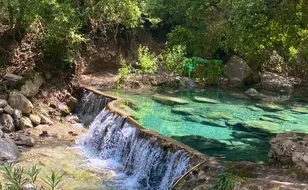
There is no "bad" season for Tangier and northern Morocco, but some months are more pleasant than others. The figures below are ballpark values (as of October 2026) from climate portals and travel blogs; the sources differ slightly.
| When | What to expect | Good for |
|---|---|---|
| May – June | mild to warm, little rain (Tangier in June: about 26 °C, about 14 mm) | everything: medinas, hiking, coast |
| July – August | hot and dry; August is Chefchaouen's warmest month (avg about 24 °C) and very busy | beaches, the Atlantic coast |
| September – early October | pleasant, late-summer feel | everything, quieter than summer |
| November – February | cool and wet: Chefchaouen in January about 8 °C and about 94 mm of rain; Tangier about 103 mm | city breaks, fewer tourists |
| March – April | transition; the rainy season generally runs into March | plan around the weather |
In the Strait, strong wind — often linked with the levante — can delay or suspend ferry crossings, especially during winter storms. See our guide Tarifa – Tangier ferry. The three-day forecast is on every tour page.
Ramadan 2027 is provisionally expected from about 8 February to 9 March (dates depend on the moon sighting; Eid would be around 10 March). During the month restaurant hours change, some places serve less alcohol and day trips run more quietly, while the evenings are lively. On the first day of Eid most shops and sights are closed.
For a first visit, aim for May–June or September–October. For Chefchaouen see also One day in Chefchaouen; for a guided trip our Chefchaouen tour.
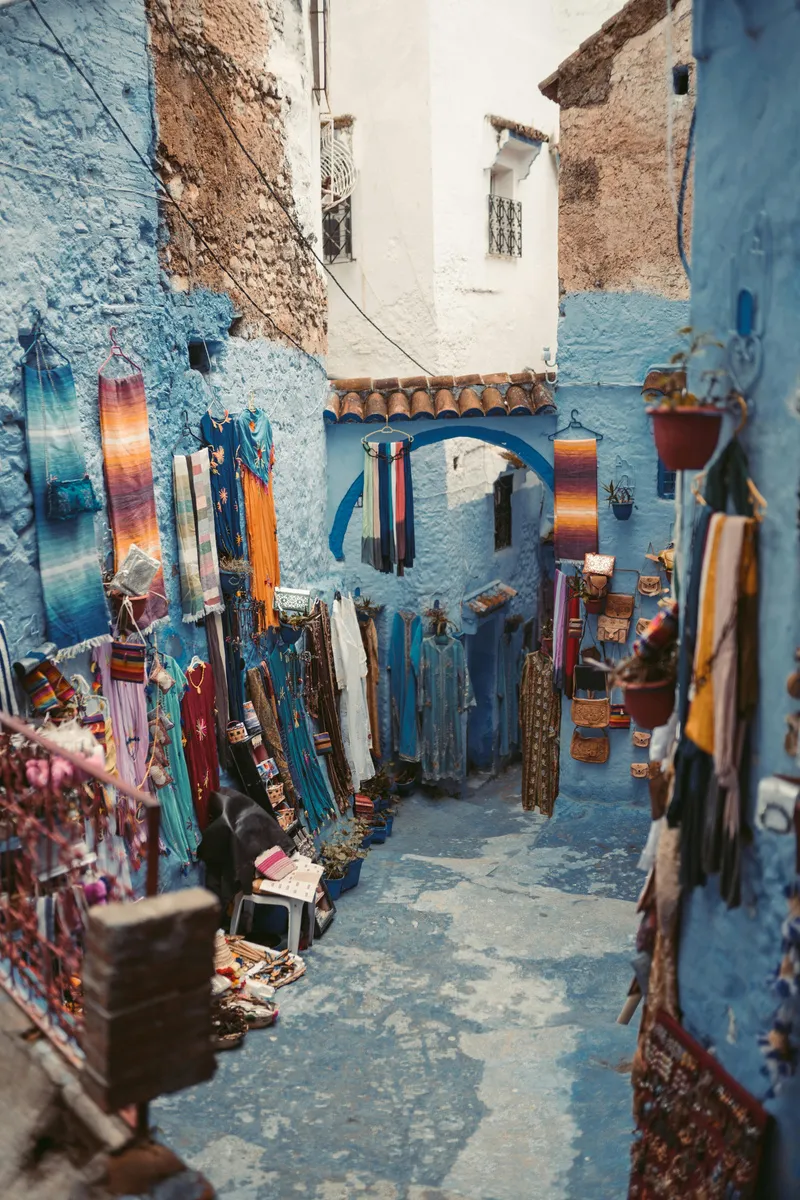
The capital 1 h 20 from Tangier by high-speed train: timetable, indicative fares, Hassan Tower, the mausoleum, the Kasbah of the Udayas and Chellah. As of October 2026.
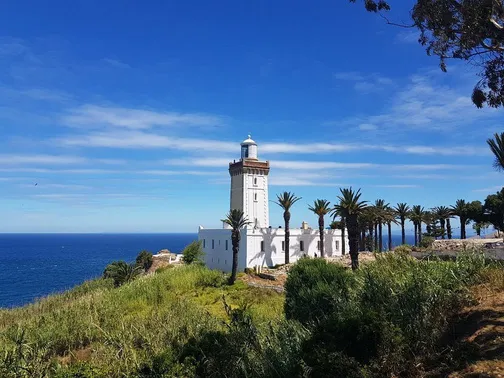
A lighthouse, cliffs and the famous cave opening onto the ocean, 14 km from Tangier: how to get there, what sources say about prices and how to plan the half day. As of October 2026.

An Andalusian UNESCO medina, a Spanish quarter and crafts an hour from Tangier: bus, taxi, a half-day plan and practical info. As of October 2026.